
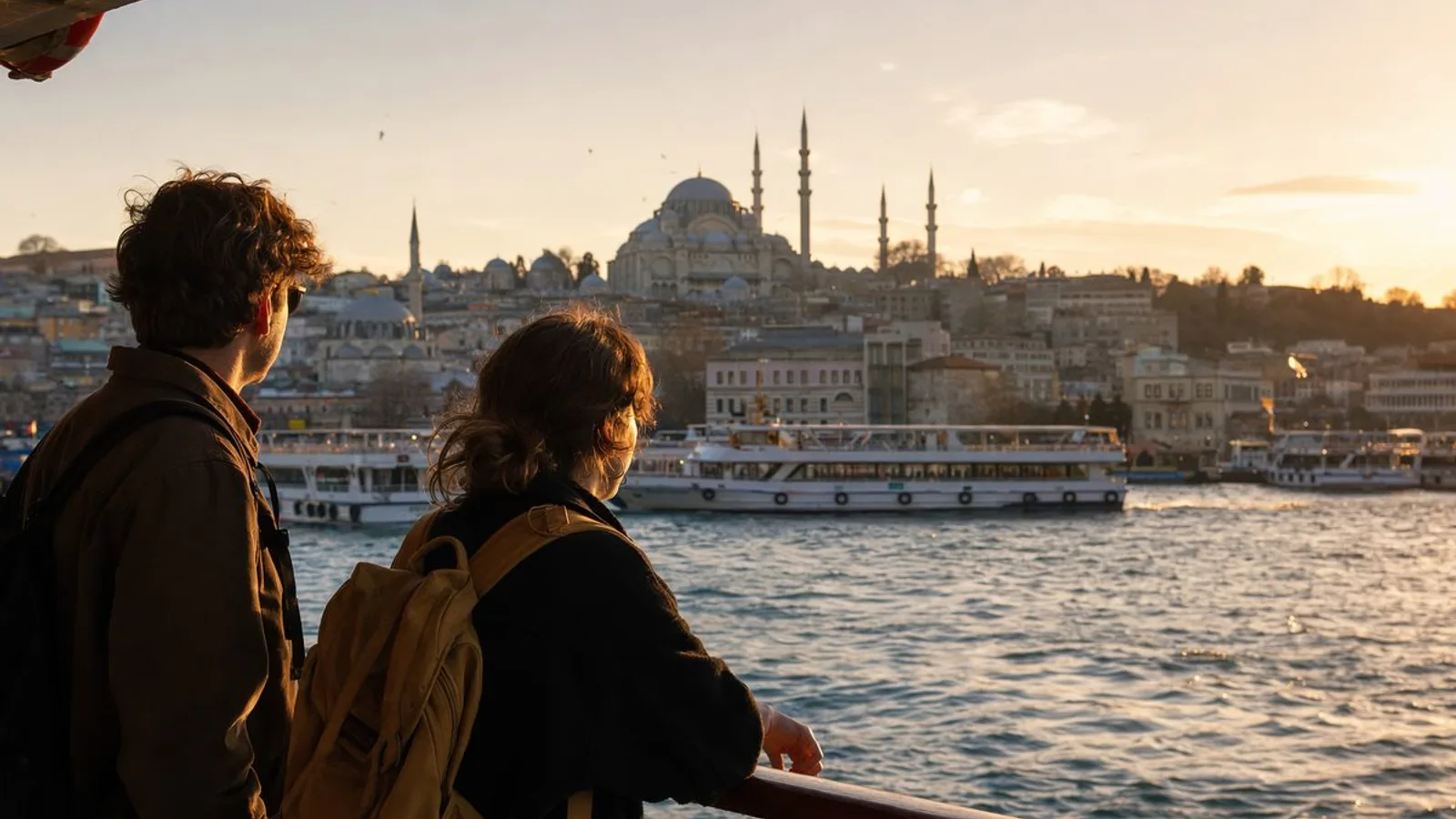
If this is your first time in Istanbul, base yourself in Sultanahmet, Karakoy, or Galata for the easiest first trip, give the city at least three full days, use trams, metros, and ferries as your main transport, and pre-book the headline sights most likely to sell out or involve long waits. Keep your plan district-based, not attraction-based, and Istanbul becomes much easier to handle.
The key decisions are simple: pick the right base, allow enough days, sort your airport transfer, and check entry rules for major sights before you land.
Key Takeaways
- Stay in Sultanahmet, Eminonu, Karakoy, or Galata for the easiest first visit.
- Give Istanbul at least three full days days, with more time if you want museums, ferry rides, and food stops.
- Use trams, metros, and ferries first; use taxis carefully — insist on the meter, and keep small cash in case the card reader is "broken".
- Book headline attractions ahead, especially in high season. The closure that catches most first trips is Topkapı Palace, closed Tuesday.
- Plan one neighborhood cluster at a time instead of crossing the city all day.
Start with these first-trip decisions
Istanbul is a city that spans Europe and Asia, linked by ferries, bridges, and a daily rhythm that changes sharply by district. For a first visit, the best strategy is to choose a central base, see the big landmarks early, and leave room for ferries, food, and unplanned walks.
Sultanahmet is the historic core and suits travelers who want to walk to major monuments early in the day. Beyoglu is the broader central district that includes Galata, Karakoy, and Istiklal Street, and suits travelers who want a more urban base with restaurants, nightlife, and easier evening options.
Think in half-days by area. A first trip usually works best when one day centers on Sultanahmet, another on Eminonu-Karakoy-Galata, and another on the Bosphorus or the Asian side.
Understand the city before you plan
A little orientation saves time. Historic sights, ferry piers, shopping streets, mosque districts, and residential neighborhoods can look close on a map but feel very different on the ground.
European side vs Asian side
The European side is where most first-time visitors spend most of their trip. It holds many of the best-known monuments, many hotel clusters, and the easiest sightseeing links. The Asian side is less monument-heavy for most visitors but strong for food, waterfront walks, and a more local daily feel.
For a short first trip, sleeping on the European side is usually the easiest choice. Visiting the Asian side is still worth it, even if you do not stay there, because the ferry ride itself helps you understand the city.
The neighborhoods most first-time visitors use
Eminonu is a waterfront transport hub near the Spice Bazaar, ferry docks, and useful tram links. It suits travelers who want to move around easily and stay close to old-city sights, but it can feel hectic and less relaxed at night.
Karakoy is a waterfront neighborhood with cafes, ferry access, and strong connections to both the old city and Beyoglu. It suits first-timers who want a practical base with food and nightlife nearby. The trade-off is noise on some streets and uphill walks toward Galata.
Galata is the hill area around the tower, known for old streets, boutique hotels, and broad city views. It suits travelers who want atmosphere and walkable evenings. The trade-off is steep terrain, uneven paving, and luggage frustration if your hotel is not near easy transport.
Sultanahmet suits travelers who want the classic monument-first trip and easy early access to places like Hagia Sophia, the Blue Mosque, and Topkapi Palace. The trade-off is that evenings can feel quieter and more tourist-focused.
Kadikoy is a major Asian-side district known for food, markets, bars, and a more local rhythm. It suits travelers who already know they want a neighborhood feel and do not mind ferry crossings. For a first short trip, it is often better as a day or evening visit than as your main base. See our guide to Kadikoy if that is the experience you want.
Besiktas is a lively waterside district with ferries, local life, and good access toward Dolmabahce and the Bosphorus. It suits travelers who want a busy, practical district without staying in the old city. The trade-off is that some key first-trip sights still require extra transit.
If you want the easiest first visit, choose Sultanahmet for monuments or Karakoy/Galata for a more balanced stay. If you are comparing areas in more detail, see our where to stay in Istanbul guide.
How many days you need
For most people, three to four days is a good first-trip range. With fewer than three, you can still enjoy the city, but you will need to cut hard and focus on one or two areas each day.
A one-day stop is enough for a taste. A weekend usually covers Sultanahmet plus one modern district such as Karakoy or Galata. A longer stay lets you add museums, neighborhood meals, a proper Bosphorus outing, and at least one Asian-side visit without rushing.
If Istanbul is part of a wider Turkey trip, keep some buffer in your plan. Weather, queues, and travel fatigue can change what fits comfortably into a day.
Where to stay for a first visit
Stay where your mornings are easy. That matters more than chasing the trendiest address.
If your priority is major landmarks, stay in Sultanahmet. You can reach Hagia Sophia, the Blue Mosque, Topkapi Palace, and the Basilica Cistern with minimal effort. Choose this area if you want early starts and short sightseeing walks. Skip it if you want lively evenings and lots of restaurant variety right outside your hotel.
If you want a better balance of sightseeing, dining, and evenings out, choose Karakoy or Galata. These areas suit first-timers who want cafes, restaurants, views, and good ferry or tram access. Karakoy is easier for transport; Galata usually gives you more atmosphere. Both involve hills in places.
If nightlife and shopping matter most, look at Beyoglu. If you want a more local base and are happy to build ferry crossings into the trip, consider Kadikoy.
As a rule Sultanahmet buys proximity to the morning sights, Beyoğlu buys the evening, and Kadıköy buys a better neighbourhood at the cost of a ferry each way before booking. Hotel quality can vary street by street, especially in older central areas.
How to get around without stress
Istanbul traffic can be heavy, so public transport often beats cars. For most first-time visitors, the tram, metro, funicular, and ferries cover the trip better than relying on taxis.
Airport arrival and city transfer
Istanbul Airport is the city's main international airport on the European side. Sabiha Gokcen Airport is the major airport on the Asian side. Both are a long way out, and on both it is traffic rather than distance that decides the journey. Istanbul Airport has the better public connection into Taksim; from Sabiha Gökçen a prearranged transfer usually wins on an early flight.
If you land late, arrive with a transfer plan already decided. That might mean public bus, metro connection, shuttle, private pickup, or taxi depending on your landing time and hotel location. See our airport transfer guides for Istanbul Airport to city center and Sabiha Gokcen Airport transfers.
Public transport, ferries, taxis, and apps
Get an Istanbulkart from any station machine: one card covers tram, metro, bus, funicular and ferry on one tap, and it is cheaper per ride than single tickets. If you are new to the system, read our guide to the Istanbul transport card before arrival.
Trams are especially useful around the old city. Ferries are both transport and sightseeing, which makes them one of the smartest first-trip choices.
The Bosphorus is the strait that divides the European and Asian sides of Istanbul. A short public ferry ride gives you skyline views with less stress than road travel, though sailings thin out late in the evening, so check the last crossing before you plan dinner on the other side. If you are deciding between a public crossing and a sightseeing outing, compare options in our Bosphorus ferry and cruise guide.
Taxis can help with late nights, steep hills, or places with weak rail links, but use them carefully. The meter should always be running, the app-hailed cars are the same yellow taxis with a fixed record of the trip, and small cash saves an argument before you rely on them.
Walking is often best inside compact districts. Wear shoes with grip. Istanbul has hills, tram tracks, stairs, and uneven paving that maps do not show clearly.
What to book before you land
Book the things most likely to affect your day if you do not: major attractions with ticketing or entry rules, a Bosphorus outing if it matters to you, and any restaurant or hammam you would be disappointed to miss.
Hagia Sophia runs daily, 09:00 - 19:30 and closes to visitors around each of the five daily prayers; the Blue Mosque is free to enter between prayers; Topkapı Palace runs daily except Tuesday, 09:00 - 21:00 and is closed Tuesday, with the Harem ticketed separately.
Topkapi Palace is the former imperial residence of the Ottoman sultans and one of the city's key museum sites. Hagia Sophia is a historic Byzantine church later converted into an imperial mosque, and it remains one of Istanbul's most important monuments.
For most first-timers, the clearest pre-book priorities are Topkapi Palace, any time-sensitive Bosphorus cruise or ferry experience, and any guided visit you only want to do once. You may also want to decide in advance whether the Grand Bazaar is a quick browsing stop or part of a longer shopping block.
If you are considering attraction bundles or passes, compare them against your real plan rather than buying the biggest option. You can also browse things to do in Istanbul before you arrive and save a short list by district.
The sights that are worth your time
For a first trip, start with the landmarks that explain the city. Then add one or two places that fit your interests.
The classic core includes Hagia Sophia, the Blue Mosque, Topkapi Palace, the Basilica Cistern, the Grand Bazaar, and a Bosphorus ferry or cruise. If you have more time, add Dolmabahce Palace, Galata Tower, a hammam, and a food-focused neighborhood walk.
The Blue Mosque is the imperial Ottoman mosque facing Hagia Sophia in Sultanahmet, known for its courtyards, domes, and interior tilework. The Grand Bazaar is one of the city's historic covered market complexes, better for atmosphere and browsing than for rushing through a checklist.
Do not stack too many interiors on one day. Mosques, palaces, cisterns, and museums can blur together if you are tired.
A good rule is one headline monument, one secondary site, one proper meal, and one unplanned walk. That is enough for a full day in Istanbul.
Food, etiquette, and practical tips
Eat widely, but do not choose every meal by online hype. Neighborhood lokantas, grill houses, meyhanes, bakeries, and ferry-side tea stops often deliver the strongest first-trip memories.
A lokanta is a casual Turkish restaurant serving prepared home-style dishes, usually displayed at the counter. A meyhane is a traditional restaurant focused on small shared dishes, fish or grills, and a long, social meal.
What you pay is decided by the district more than the menu: the closer you sit to a headline monument, the more of the bill is location. Prices can differ sharply between tourist-heavy streets and nearby local blocks.
For mosque visits, dress respectfully and expect rules to vary by site. Women may need head coverage in some settings, and the rule is the same at every working mosque: shoulders and knees covered, a scarf for women, shoes off at the door, and no visiting during prayers. Prayer times can affect visitor access, so build flexibility into your schedule, especially at active mosques such as the Blue Mosque and Hagia Sophia.
Carry some cash, but do not assume you will need it everywhere. Cards work almost everywhere indoors; cash still helps at street stalls, in the markets and for short taxi rides. Cards are often convenient in many places, while small shops, market stalls, or older cash-first businesses may still prefer cash.
For taxis, agree on nothing informal that bypasses normal rules, and insist on the meter. If something feels unclear at pickup, use another car or switch to a public transport option where practical.
Tourist-area pricing pressure and shopping fatigue are common, especially around major sights and bazaars. That does not mean you should avoid these areas, only that it helps to compare, pause, and not buy in a rush.
For connectivity, an eSIM bought before you land is the least friction — a local SIM needs your passport and a shop visit before arrival. Having data on day one makes airport transfers, navigation, translation, and public transport much easier.
Tap water habits vary by traveler preference, and most visitors stick to bottled water, which every hotel and shop sells cheaply. Save offline maps as a backup in case your connection is slow on arrival.
Common mistakes first-time visitors make
The biggest mistake is underestimating distances. Two places that look close can take much longer than expected because of hills, traffic, queues, or awkward connections.
Another common mistake is choosing a hotel by price alone without checking the street, slope, and nearest transit. A cheap room on a steep backstreet can cost you time and energy every day.
Many first-timers also overbook interiors. If you line up Hagia Sophia, the Blue Mosque, Topkapi Palace, the Basilica Cistern, and the Grand Bazaar in one long push, the day can become tiring fast.
Another mistake is relying too heavily on taxis. They can be useful, but ferries, trams, metros, and funiculars often make a first trip easier.
Some visitors skip the Asian side because it seems secondary. Even one simple crossing to Kadikoy can give you a much clearer feel for Istanbul than another rushed museum stop.
A final mistake is changing hotels mid-trip for no real gain. Unless your itinerary clearly requires it, one well-chosen base is simpler.
A simple first-trip plan
If you have three days, use day one for Sultanahmet: Hagia Sophia, the Blue Mosque, Topkapi Palace, and the Basilica Cistern. Use day two for Eminonu, a Bosphorus crossing or cruise, Karakoy, and Galata. Use day three for Dolmabahce, Besiktas, or Kadikoy, depending on whether you want palace interiors, waterfront life, or food and local atmosphere.
If you have four or five days, add a museum-focused half day, a hammam, a slower market session at the Grand Bazaar, or a longer Bosphorus outing. You can also build one flexible block around our Istanbul itinerary ideas.
Try to keep each day tied to one transport spine. One day can follow the tram line through the old city. Another can follow ferry piers and waterfront districts. This reduces backtracking and decision fatigue.
Leave some room for weather, prayer-time access changes, and the possibility that one district keeps you longer than planned.
Final quick checklist
Before you fly, confirm your airport transfer, top attraction bookings, transport card plan, and neighborhood choice. Late summer here is hot and humid with the worst of it between midday and late afternoon, so pack for shade breaks and shoes you trust on stone a few days before departure.
Quick first-trip checklist:
- Choose a base: Sultanahmet for monuments, Karakoy or Galata for a more balanced stay.
- Allow at least three full days.
- Verify airport transfer options before landing.
- Get an Istanbulkart on arrival; it covers tram, metro, bus, funicular and ferry.
- Pre-book the sights or experiences you would be upset to miss.
- Save offline maps and carry a backup payment method.
- Wear comfortable shoes with grip.
- Respect mosque dress rules and allow for prayer-time access changes.
- Use ferries and rail first; use taxis carefully.
- Keep one part of each day unplanned.
If you get those basics right, your first visit will feel much easier than the city's size suggests. Once you take that first ferry across the water, Istanbul usually starts to make sense very quickly.