
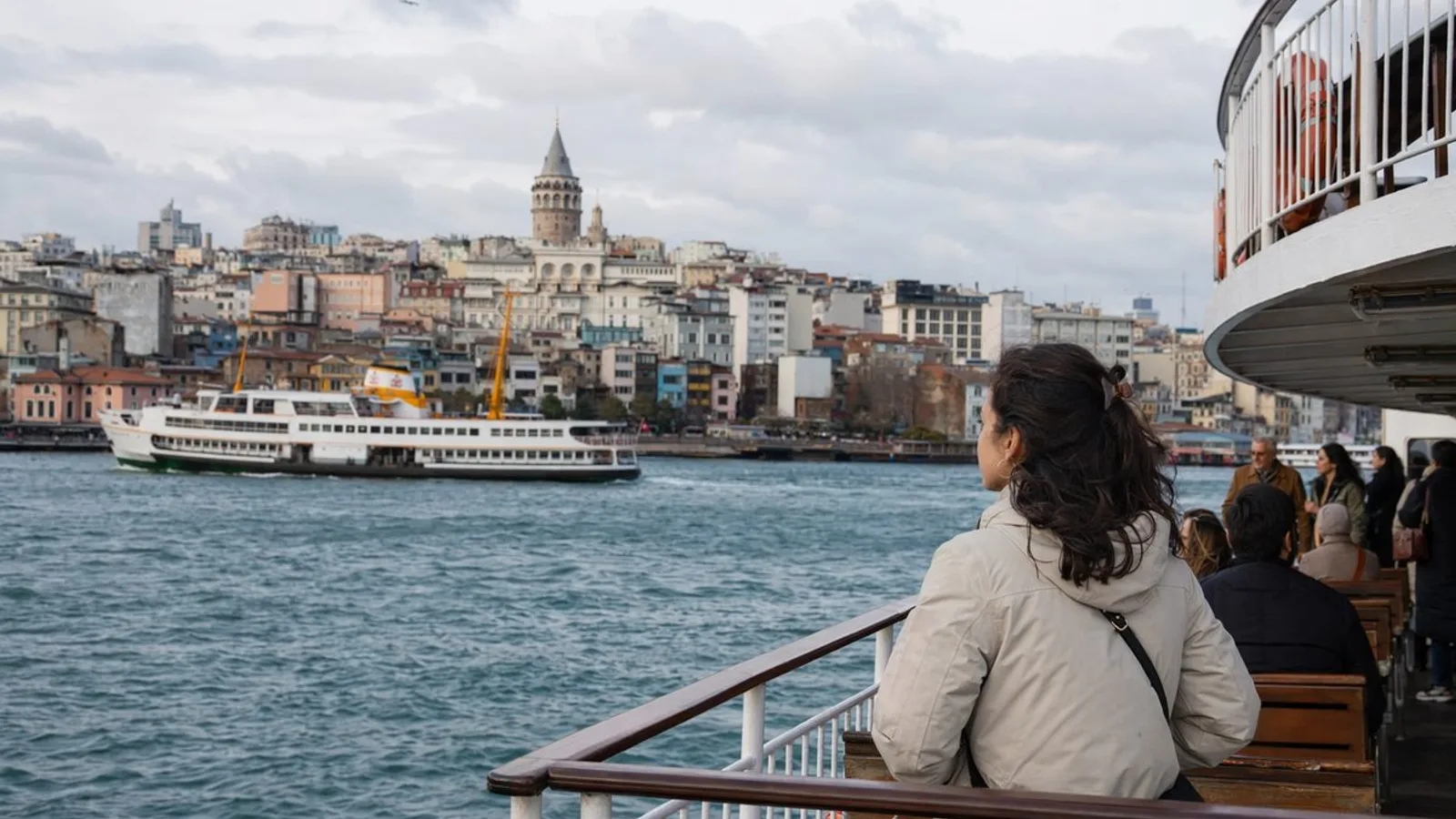
If you want the short answer, the cheapest time to visit Istanbul is usually late January to early March. The best overall value is often March and November. In any season, avoid holiday weeks, major events, and other demand spikes.
Here is the quick version before the detail:
| Month or season | Typical price level | Weather trade-off | Best for |
|---|---|---|---|
| Late January to February | Lowest in many years | Cold, shorter days, possible rain or wind | Pure savings, museum-heavy trips, flexible travelers |
| March | Low to moderate | Cool but improving, longer daylight | Best overall value for many travelers |
| April to May | Moderate to high | Pleasant weather, more demand | Travelers who want spring conditions and can book early |
| June to August | High to highest | Hotter, busier, longest days | Summer-only trips, families tied to school breaks |
| September to October | Moderate to high | Comfortable weather, steady demand | First-time visits if budget is not the top priority |
| November | Low to moderate | Cooler, occasional rain, still very workable | Best value in autumn |
| Early December | Moderate, sometimes good value | Cold, darker days | Short off-peak city breaks before holiday spikes |
| Late December and New Year | High in many cases | Festive demand, winter weather | Only if you specifically want holiday travel |
Still, the best value is not always the absolute cheapest week. For many travelers, March and November give a stronger mix of price, weather, ferry views, and comfortable walking than the coldest part of winter.
Key Takeaways
- Late winter is often the lowest-cost period, except around holidays and special events.
- March and November usually offer the best balance of price and comfort.
- Summer is often the most expensive season for hotels in popular areas.
- Booking two to three months ahead, and earlier for holiday weeks, usually improves value.
- Always check school holidays, religious holidays, and major city events before you book.
Cheapest time to visit Istanbul at a glance
Istanbul is Turkey's largest city and a major air, cruise, and tourism hub, so prices move with demand more than with one simple seasonal rule.
Low season is the period when demand drops and prices often soften. In Istanbul, that usually means the coldest winter weeks, with exceptions for New Year demand and holiday travel.
Shoulder season is the period between peak and low season, when weather is milder and prices can be more reasonable. In Istanbul, that usually means parts of spring and autumn.
Peak season is the busiest and often most expensive travel period. In Istanbul, that usually centers on summer and selected holiday weeks.
If your goal is pure savings, target the quieter winter stretch after New Year. If your goal is best overall value, choose March or November and keep your dates flexible by a few days.
How Istanbul prices change through the year
Istanbul does not follow one smooth price curve. Costs tend to rise and fall in waves.
Hotels in Sultanahmet are in the historic old-city sightseeing core near many headline attractions. Karaköy is a waterfront district with ferries, cafes, and strong transport links. Galata is the hillside area around Galata Tower, popular for boutique stays and walkable dining. Taksim is the modern central district around Taksim Square and İstiklal Avenue. Beşiktaş is a busy local district on the Bosphorus with ferries, food spots, and residential areas. These districts often show the biggest seasonal swings.
Flights depend heavily on where you start, but school breaks, holiday demand, and summer schedules matter a lot. Daily costs like public transport and simple meals often change less dramatically than lodging.
Winter low season
Winter is usually the cheapest broad season, especially from mid-January through February. The trade-off is simple: shorter days, colder wind, and some rainy or gray spells.
Still, Istanbul works well in winter because many top sights are year-round draws. You can visit places like Hagia Sophia, Topkapi Palace, and the Blue Mosque without summer-level crowd pressure.
Check holiday periods closely. New Year demand, school breaks, and special weekends can break the low-season pattern. The ones to know are Christmas–New Year, 1 January, and the Turkish school semester break in late January and early February; outside those, winter is the cheapest stretch of the year.
Spring shoulder season
Spring often starts cheaper in March, then rises through April and May. Many travelers prefer this period because days are longer and the city feels easier for walking, but prices usually climb as conditions improve.
Tulip season can add demand in some weeks. Instead of assuming all spring dates are equal, note that mid-April, when the tulips peak and the Tulip Festival fills Emirgan, is the most expensive part of spring.
Ramadan is the Islamic month of fasting, and Eid usually refers to the festival periods that can affect domestic and regional travel demand. Their timing moves about eleven days earlier each year. In 2027 Ramadan ends with Ramazan Bayramı around 10 March, and Kurban Bayramı falls around 17 May; both push up domestic travel and prices for several days.
Summer peak season
Summer is often the most expensive season, especially for central hotels and Bosphorus-view properties. Long days are useful, but heat, crowds, and stronger demand can reduce value for budget travelers.
Cruise traffic is the flow of cruise passengers arriving on port-call days, which can add pressure in waterfront and historic sightseeing areas. School holidays can add even more demand. If you must visit in summer, neighborhood choice and booking lead time matter more than usual.
Autumn shoulder season
Autumn often delivers some of the best overall value, especially in November. September can still feel close to peak pricing, while October varies by weather and events.
By November, prices often ease while the city remains enjoyable for walking, ferries, and longer museum days. For many travelers, this is the smartest compromise month.
Month-by-month value calendar
January
January often starts expensive around New Year, then softens. After the holiday rush, value usually improves fast. Cold weather keeps some visitors away, which can help budget travelers.
February
February is often one of the best months for low hotel prices. It is cold, and some days feel damp, but indoor sights and food-focused trips work well.
March
March is a strong value month. Prices can remain moderate while daylight and walking conditions improve. If you want one simple answer for balanced value, March is a top pick.
April
April can be beautiful but less budget-friendly. Demand often rises with spring travel, tulips, and milder weather. In 2027 April is clear of both religious holidays, but 23 April is a national holiday.
May
May is popular for good reason. Conditions are pleasant, but that usually means higher rates. It can still work for a budget trip if you book early and avoid high-demand weeks.
June
June often marks the move into peak summer pricing. Long days help sightseeing, yet hotel value usually weakens. If price matters most, June is rarely the first choice.
July
July is busy and often expensive. Heat can make midday sightseeing harder, so you may pay more while using less of the day comfortably.
August
August remains a high-cost period in many central areas. Some travelers enjoy slower local rhythms during vacation periods, but broad savings are not guaranteed.
September
September is attractive but often not cheap. Warm weather and strong demand keep prices elevated in many districts.
October
October can offer decent value in some weeks. Still, it is not reliably cheap, especially if conferences, cruise calls, or school breaks line up. Late October's Republic Day (29 October) and the Istanbul Marathon in early November, which closes the Bosphorus bridge for a morning, are the dates that move demand most.
November
November is one of the best months for value. Prices often soften after autumn demand cools, while the city remains lively and easy to enjoy.
December
Early December can be a smart value window. Prices often rise again closer to Christmas travel and New Year. The last week of December is the most expensive week of winter, and many hotels set minimum stays over New Year's Eve.
Cheapest days of the week and booking timing
Midweek stays often price better than Friday and Saturday nights in popular districts. This is especially common for short city breaks and domestic weekend demand.
Try shifting your stay by one or two nights before changing months entirely. A Sunday-to-Thursday pattern can sometimes cut hotel cost more than a big seasonal compromise. In the popular districts, Friday and Saturday nights are usually the priciest, so a Sunday-to-Thursday stay is the easiest saving.
Booking timing matters too. Flights and hotels rarely reward last-minute booking during strong demand periods. For better value, start comparing prices two to three months before travel.
If your dates are fixed, it can make sense to secure the hotel first if rates look fair. A well-priced room in a good area may disappear faster than you expect.
Where your budget changes the most
Flights
Flight prices can swing widely by origin, airline competition, school breaks, and baggage rules. That means the cheapest calendar for one traveler may not match another.
Use fare alerts and compare nearby departure dates. Also check the baggage terms and how you will get into the city: the M11 metro serves Istanbul Airport and the M4 serves Sabiha Gökçen, both far cheaper than a taxi. A cheap ticket with poor baggage terms can stop being cheap quickly.
Hotels
Hotels are where seasonality usually hits hardest. Central, walkable districts tend to show the biggest jumps.
If you stay a little outside the highest-demand core, you can often keep transport easy while reducing room cost. Areas with strong transit links may offer better value than the most famous postcard zones. For planning, compare neighborhoods with our guides to Taksim Square and Galata Tower.
This is also a strong internal-link opportunity for a broader where to stay in Istanbul guide, plus neighborhood pages for Sultanahmet, Karaköy, Galata, Taksim, and Beşiktaş.
Attractions and transport
Attraction entry prices may change over time, but they do not usually swing like hotel rates. That means a city pass or bundled sightseeing plan can be more useful in peak periods, when accommodation takes a larger share of your budget.
For sightseeing, the big paid entries run to about €56 for Topkapı and €50 for the Basilica Cistern; Istanbul PRIME Pass starts at €249 and covers 81 attractions and tours, which only saves money on a dense plan. Also review practical itineraries like 3 Days in Istanbul if you want to avoid wasted transit time.
If your trip includes ferries, the commuter boats are the cheapest scenic ride in the city.
Food and neighborhood choice
Food costs vary more by area and style than by season. You can eat very well in Istanbul without spending heavily, but tourist-core restaurants in top locations often charge more.
In practice, a budget traveler may save more by choosing one simple local lunch and a smart hotel area than by chasing the absolute cheapest travel week.
Best times for different budget travelers
If you want the lowest possible hotel rates, choose late January or February and build your days around indoor sights, hammams, cafes, and ferry rides when weather allows.
If you want the best value mix, choose March or November. These months often feel easier, brighter, and more flexible than deep winter while still avoiding many peak-season prices.
If you are traveling with family and need milder weather, late March, early April, or early November may offer a better trade-off than summer. That said, school holidays — yours and Türkiye's — are what fill flights, so avoid them if price is the priority.
If you are planning a first trip and want iconic sights with manageable costs, avoid the most expensive summer stretch. A first-time itinerary works well in shoulder season, especially with core stops like Basilica Cistern and the Sultanahmet area close together.
If you are traveling with friends and want nightlife plus good transit, March and November often work well because central districts stay active without summer hotel pressure. Taksim, Karaköy, and nearby areas can be easier to price than they are in peak weeks.
If you are traveling as a couple and care about views, ferries, and long walking days, March and November are usually the sweet spot. You often get enough daylight and city energy without paying top spring or summer rates.
If you are a museum-first traveler, winter can work especially well. Lower room rates matter more when much of your plan is indoors.
If you are visiting Istanbul as part of a longer Turkey trip, use the city as the flexible part of the itinerary. It is often easier to move Istanbul by a few days to avoid a price spike than to shift smaller destinations.
Common mistakes that make Istanbul cost more
One common mistake is booking around a famous seasonal image, like tulips or ideal Bosphorus weather, without checking what that demand does to hotel rates.
Another is focusing only on flight deals. A cheap flight during an expensive hotel week can still produce a costly trip.
Many travelers also choose the most central possible room without comparing well-connected nearby areas. Instead, compare total trip cost, not just distance to one landmark.
A similar mistake is ignoring weekday patterns. Two weekend nights in a high-demand district can sometimes cost more than a slightly longer midweek stay.
Another easy way to overspend is booking a bargain room with weak transport access. A lower nightly rate can become poor value if you spend more time and money crossing the city.
Finally, do not ignore event calendars. Conferences, football matches, festivals, cruise-heavy days, and holiday periods can reshape prices. Big football matches and the marathon weekend are the citywide events most likely to squeeze central hotels.
Final planning checklist
Use this checklist before you book:
- Compare late January, February, March, November, and early December.
- Avoid New Year, major holidays, Eid periods, and other high-demand event weeks.
- Test a midweek stay, not just Friday-to-Sunday dates.
- Price the hotel first, then total the flight with baggage and transfers.
- Compare at least two neighborhoods, not just one landmark area.
- Check closed days: Topkapı is closed Tuesday, Dolmabahçe closed Monday.
- Review baggage terms and plan the metro in from the airport.
- Book two to three months ahead, earlier for holiday weeks.
- Build your route around efficient transit and realistic daily walking.
- Keep one or two backup date ranges in case a hidden event spike appears.
If you want the shortest practical answer, go in late January to early March for the lowest likely prices, or choose March or November for the best overall value. Those periods usually give budget travelers the strongest balance between cost, comfort, and actual sightseeing quality.