
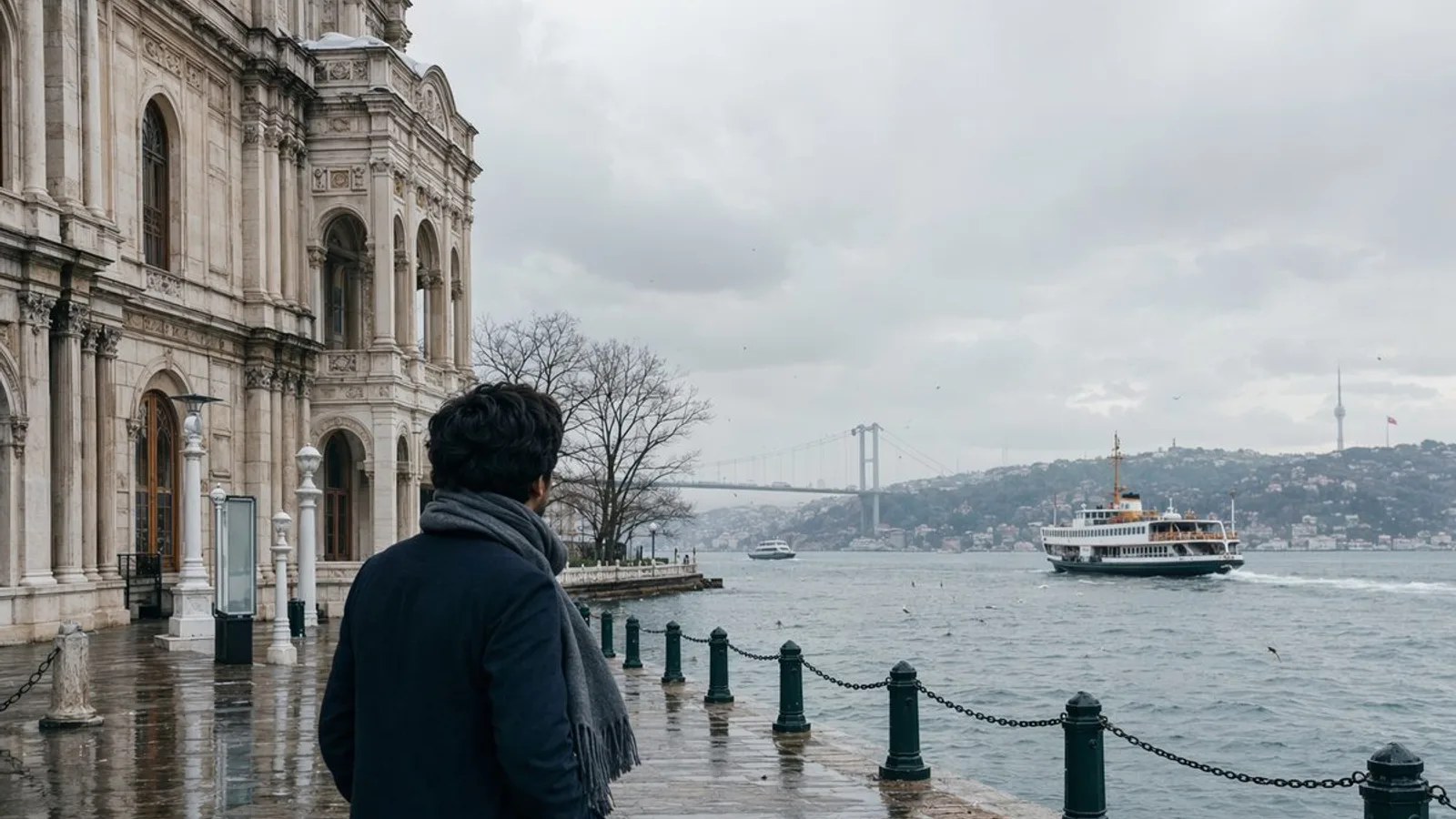
Istanbul in winter is best for palace and museum lovers, slower travelers, and value-minded visitors who do not mind building each day around weather, ferries, and warm indoor stops. It is less ideal for travelers who want long daylight, rooftop-heavy plans, and reliable outdoor sightseeing from morning to night.
Key Takeaways
- Winter is one of the best times to visit Istanbul’s palaces and museums with fewer crowds.
- The season suits flexible, slower itineraries built around one major indoor anchor per day.
- Value is real, but it works best when you choose the right base, use public transit well, and avoid overbooking.
- Short daylight, rain, and Bosphorus wind are the main trade-offs.
If that trade sounds acceptable, Istanbul in winter can be excellent. You get quieter rooms at major historic sites, more breathing space on ferries and in neighborhoods, and a style of trip that feels less rushed than peak season.
Istanbul in Winter
Winter in Istanbul is less about chasing perfect views and more about planning smartly. This is the season for imperial interiors, museums, ferries with tea, hammams, covered markets, and neighborhood meals that warm up the day.
Istanbul is a transcontinental city spread across Europe and Asia, linked by ferries, bridges, trams, metros, and tunnels. That matters in winter because route quality affects your energy almost as much as the weather does. A short tram ride or direct ferry can save a day that would otherwise feel cold and tiring.
The Bosphorus is the strait dividing the city’s European and Asian sides. In winter, it shapes both the mood and the conditions. Water views are beautiful, but waterfront wind can make a mild forecast feel much colder.
The season usually makes most sense for three types of travelers:
- first-time visitors who care more about Topkapi, Dolmabahce, cisterns, mosques, and museums than rooftop bars
- repeat visitors who want to slow down and enjoy neighborhoods rather than race through a checklist
- budget-aware travelers willing to stay slightly outside the most expensive micro-locations and use transit well
The city still rewards ambition, but winter rewards judgment more.
Why winter can be the best season for Istanbul
The strongest reason to visit in winter is simple: the big sights are often easier to enjoy. Palaces and museums are more pleasant when you are not moving shoulder to shoulder through every room.
That matters especially at places like Topkapi Palace and Dolmabahce Palace, where space changes the experience. You notice details more easily, stop where you want, and spend less time managing lines and crowd flow.
Winter can also be a good value season, but the savings are not automatic. Hotel rates may soften outside holiday peaks, and some districts give better price-to-convenience balance than others. The exceptions are Christmas–New Year and the school winter break in late January, when prices climb back up.
For practical value, think in terms of base and routing, not only room rate:
- Sultanahmet works best if you want to walk to major historic sights early and reduce transit costs.
- Karaköy often gives a strong balance of ferry access, tram links, food options, and easier evening variety.
- Kadıköy can offer good everyday value for longer stays or repeat visitors, especially if you do not need to start every day in the old city.
- Galata or nearby Beyoğlu streets can suit cafe-focused travelers, but check hill exposure, pavement conditions, and late-night noise before booking.
Winter also improves a certain kind of itinerary. One palace, one museum, one ferry, one long lunch, and one warm reset can be a better day than trying to fit in six landmarks.
The drawbacks are real. Days are shorter. Rain is common. Wind changes how far you feel like walking. Outdoor plans are less reliable. If your ideal trip depends on long scenic strolls, sunset terraces, and fixed open-air plans, winter may frustrate you.
Weather, daylight, and what the city feels like
Istanbul weather in winter is the mix of cool temperatures, damp air, wind, and occasional snow that shapes travel from roughly December to February, with early March often feeling the same. You should expect variation within the same day rather than one steady condition.
The city often feels colder than the number on your phone suggests. Stone streets hold dampness, open squares can be raw, and the waterfront amplifies wind.
That does not make winter difficult by default. It just means comfort depends on route design. The best days usually combine short outdoor stretches with indoor anchors and easy transport links.
Rain, wind, and the Bosphorus effect
Rain is more common than major snow. Snow does happen, but it is irregular and not something to plan a trip around: most winters bring a few days of snow, and it rarely stays long in the centre. January averages highs around 9°C and lows around 4°C. Along the Bosphorus, wind is often the factor that changes a good day into a tiring one.
A route that looks easy on a map can feel longer if it includes exposed waterfront sections. By contrast, inland stretches in Beyoğlu or Kadıköy may feel quite manageable with a coat and layered clothing.
Daylight matters almost as much as weather. Sunset comes early, so put ferry rides, viewpoints, and any optional outdoor detours into late morning or early afternoon. Around the shortest day the sun rises about 08:25 and sets about 17:40 — later than many older guides say, because Türkiye now stays on summer time all year. Use museums, hammams, and food stops to carry the darker part of the day.
If the forecast looks mixed, do not cancel everything. Instead, shorten the outdoor segments and protect the core of the day. Winter in Istanbul works best when the plan has a clear anchor and two backup options.
What to pack for comfort, not style points
Bring layers, not a heroic outfit. A waterproof outer layer, sweater or fleece, scarf, and comfortable shoes with grip matter more than a heavy fashion coat.
Prioritize:
- waterproof or water-resistant shoes
- socks you can walk in all day
- a compact umbrella
- a bag that can hold removed layers
- a phone battery pack for long museum and transit days
If you plan to visit palaces, courtyards, or ferry piers often, your clothing should let you move easily between heated interiors and cold outdoor sections.
Wet feet and wind exposure usually end winter days faster than low temperatures do. Pack to prevent those two problems first.
Quiet palaces and museums worth your time
This is the clearest reason to choose Istanbul in winter. Historic interiors become easier to appreciate when the city slows down a little.
Dolmabahce Palace
Dolmabahce Palace is a 19th-century Ottoman palace on the Bosphorus known for grand ceremonial rooms and European-influenced interiors. It is one of the best winter anchors because the payoff is high even on a gray day.
Go early if possible. That gives you the best chance of calmer rooms and more flexibility afterward. Because the palace sits on the water, dress for wind even if the forecast looks moderate.
It runs daily except Monday, 09:00 - 18:00, and is included in Istanbul PRIME Pass. If you want a dedicated planning page, see Dolmabahce Palace.
For value-minded travelers, this is a good sight to pair with a simple lunch and a short neighborhood segment rather than a second major ticketed attraction. It is a substantial visit on its own.
Topkapi Palace
Topkapi Palace is the main Ottoman imperial complex in Sultanahmet, with courtyards, collections, treasury displays, and layered ceremonial spaces. It is not purely indoor, but winter often makes it feel calmer and more readable.
Do not rush it. Courtyards are exposed, and you will likely move more slowly than in warmer seasons. That is normal.
The smart winter strategy is to combine it with one nearby indoor classic, not several ambitious walks. Good same-area pairings include Hagia Sophia and the Basilica Cistern, — Hagia Sophia's guided visit runs daily, 09:00 - 19:30, the Cistern daily, 09:00 - 18:30, and winter is when both have their shortest lines.
If you are comparing value, Topkapi often rewards time more than speed. Plan for depth, not quantity.
Beylerbeyi Palace
Beylerbeyi Palace is an Ottoman summer palace on the Asian side beneath the Bosphorus Bridge. It is smaller and easier to absorb than the biggest palace sites, which makes it useful in winter.
It works especially well on a day when you want one cross-city move and one focused historic stop, rather than a marathon itinerary. Like the other national palaces it is usually closed on Mondays, so check the day before committing half a day to it.
If ferry conditions are rough, switch to road transport. Winter planning should protect the experience, not cling to a scenic transfer that may be uncomfortable or impractical.
Basilica Cistern and indoor classics
Basilica Cistern is a historic underground reservoir known for rows of columns, low lighting, and an atmospheric interior. On a cold or wet day, it is one of the easiest high-reward choices in the city.
Other useful winter-friendly indoor stops include the Istanbul Archaeological Museums, the Turkish and Islamic Arts Museum, and selective mosque visits when access rules and timing allow. The Archaeological Museums, included in the pass, run daily, 09:00 - 17:00.
If you are trying to decide where to spend limited energy, choose places that reward being indoors for an hour or more. Winter sightseeing improves when each stop justifies the trip rather than serving as a quick photo break.
Cozy neighborhoods for slow winter days
Not every good winter day needs a major attraction. Some districts are simply better for short walks, tea stops, and flexible pacing.
Sultanahmet
Sultanahmet is the historic core where many first-time visitors begin. It is the most efficient base if your trip is centered on classic monuments and museum entries.
The big advantage in winter is low friction. You can walk short distances between major sights, return to your hotel more easily, and adapt quickly if the weather turns.
See Blue Mosque — it closes to visitors during each prayer, and the pass's guided tours there are closed Friday.
This area is best for short stays, first visits, and travelers who want to minimize transport complexity.
Karakoy and Galata
Karaköy is a waterfront district with ferries, tram access, cafes, and quick links to both historic and modern parts of the city. Galata is the hillside quarter above it, known for older streets, food spots, and city views.
This is one of the best winter bases for travelers who want convenience without staying entirely inside the old city. You can take a ferry, ride the tram, stop for coffee, and keep outdoor exposure manageable.
The main caution is terrain. Some streets are steep, and wet pavement can slow you down. Book with the slope in mind, not just the map pin.
Kadikoy and Moda
Kadıköy is a major Asian-side district known for food streets, ferries, shopping, and local daily rhythm. Moda is its calmer residential extension with cafes and sea views.
These areas are ideal for repeat visitors, longer stays, and travelers who prefer neighborhood life over constant monument-hopping. They can also be good value if you are happy to commute by ferry or metro.
In winter, Kadıköy works especially well for food-led days. Markets, casual restaurants, bakeries, and warm indoor stops are easy to string together even when the weather is mediocre.
Best winter experiences on a value-minded trip
Value in winter is not just about spending less. It is about getting more satisfaction from days that are easy to execute.
Ferries, tea, and scenic rides
City ferries are public boats that connect major piers across the Bosphorus and Sea of Marmara. They are one of Istanbul’s best low-cost experiences, paid with a tap of the İstanbulkart.
For winter, use ferries strategically:
- ride during daylight when views matter most
- sit inside if it is windy, then step out briefly for photos
- use ferries as both transport and a built-in rest break
- avoid treating every crossing as a sightseeing cruise if the weather is rough
A practical ferry strategy is often better than paying for a separate boat tour in bad conditions. If the sky is clear and schedules fit, great. If not, a short public crossing can still deliver the Bosphorus feel with less commitment.
Hammams, cafes, and covered markets
A hammam is a traditional bathhouse experience centered on heat, washing, steam, and rest. In winter, it can be one of the smartest ways to recover after cold walking days.
Choose based on style, location, and policies rather than reputation alone. Some travelers want a historic setting; others care more about service flow, privacy, or easy booking. Book a time ahead, and expect historic hammams to separate men and women by section or by hours. Hammams are add-ons to Istanbul PRIME Pass at member prices.
The most practical winter timing is late afternoon or early evening, especially after a palace or museum day. That way, the hammam becomes a reset rather than a rushed stop between landmarks. If you already know you want one, reserve ahead for popular places and keep the rest of the day light.
Covered markets also help on wet days. The Grand Bazaar and Spice Bazaar are useful not because they are hidden gems, but because they let you keep moving without being fully exposed to the weather. The Grand Bazaar is closed Sunday; the Spice Bazaar opens every day, and both close on the first days of the religious holidays.
Food that makes cold days better
Food is one of winter’s biggest advantages in Istanbul. Cold weather makes simple, filling meals feel like part of the plan rather than just a break between sights.
Good winter choices include:
- soups such as lentil soup or tripe soup if that is your style
- börek and other bakery staples for quick warm lunches
- kebabs and grilled meats on especially cold evenings
- fish meals in Bosphorus or ferry-linked districts, chosen carefully by venue
- breakfast spreads that justify a slower start
- desserts like sütlaç, baklava, or warm semolina-based sweets depending on the place
For value, eat where locals are actually sitting down for full meals, especially in Kadıköy, Karaköy, Beşiktaş, and residential parts of Beyoğlu. Busy, straightforward restaurants often outperform polished tourist menus on winter days.
A good rule is to plan one destination meal per day and let the rest stay flexible. That keeps your schedule warm, realistic, and affordable.
Sample 3-day winter itinerary
This sample plan matches what winter does best: one main anchor per day, short transfers where possible, and room to adjust if the weather shifts.
Day 1: Sultanahmet classics
Start with Topkapi Palace early. Give it real time instead of treating it as a fast checklist stop. Follow with the Basilica Cistern for an easy indoor contrast. Have lunch nearby, then decide whether to add Hagia Sophia based on current access, line length, and energy level. If the weather is poor, end with tea or an early dinner rather than forcing another outdoor site.
Day 2: Dolmabahce plus Karaköy or a ferry
Make Dolmabahce Palace the fixed point of the day. Afterward, choose one of two directions. If conditions are stable, take a ferry or Bosphorus-facing transfer during daylight; the commuter ferries run all winter, and sightseeing cruises continue on a reduced schedule. If conditions are poor, move inland to Karaköy and Galata for cafes, lunch, and a shorter walking loop.
Day 3: Asian side slow day
Cross to Kadıköy for a food-focused neighborhood day. Browse markets, eat well, and keep the pace light. If Beylerbeyi Palace is open and the route feels easy, add it as the day’s single major sight. If not, substitute a hammam or an additional museum.
This itinerary works because it preserves your attention. Each day has a clear purpose, but none collapses if the weather changes.
Practical tips for transport, timing, and tickets
Winter value depends heavily on logistics. If you stay in the right district and use transit well, the city becomes much easier.
Transport basics
Use trams, metros, Marmaray, and ferries for most routes. They are usually more reliable than trying to solve everything with taxis, especially when traffic builds or weather slows the roads. If you have a local transit card or contactless payment option, set that up early and understand what works across modes: one İstanbulkart covers metro, tram, ferry and funicular.
Taxis still have a role in bad weather, airport transfers, or late nights, but they are not automatically faster. From Istanbul Airport the M11 metro links into the city network; in winter, fog and the odd snowfall delay flights more often than they slow the roads.
Booking and ticket strategy
Do not prebook every hour of your trip. In winter, reserve only the pieces that genuinely need commitment, such as popular hammams or any attraction with timed entry if applicable. For the rest, keep flexibility.
If you are comparing city passes with individual tickets, remember Istanbul PRIME Pass covers 81 attractions and tours for one to seven consecutive days from €249, and guided tours need booking ahead. A pass only helps if it matches your real winter pace.
Timing advice
- Start around opening time for major palaces and museums.
- Put ferries and viewpoints into the brighter middle part of the day.
- Keep at least one indoor backup ready every afternoon.
- Avoid stacking multiple exposed waterfront walks on the same day.
Base recommendations for better value
- Stay in Sultanahmet for first visits built around monuments.
- Stay in Karaköy for balanced transit, ferries, and food access.
- Stay in Kadıköy for longer stays and neighborhood value.
- Book near a tram, metro, or ferry node rather than chasing a slightly cheaper room in an awkward location.
That last point matters more in winter than in summer. A cheap room far from convenient transit can cost you time, taxi money, and energy every day.
If you want broader planning help beyond this season, see our guides to Istanbul Airport, Topkapi Palace, and Bosphorus Cruise.
Is winter right for your Istanbul trip?
Yes, if you want quieter palaces, better museum days, slower neighborhood wandering, and a trip where ferries, food, and indoor culture matter more than long outdoor sightseeing hours.
Probably not, if your ideal Istanbul trip depends on long bright days, rooftop time, open-air photography windows, or reliable all-day walking plans without weather adjustments.
Winter is right for you if most of these sound good:
- you enjoy museums, palaces, mosques, and historic interiors
- you are happy to structure the day around one major sight
- you like ferries and cafes as part of the experience
- you want a more measured pace
- you care about practical value, not just headline savings
Winter is less right if most of these matter more:
- maximum daylight
- terrace dining every day
- ambitious outdoor itineraries
- certainty around scenic conditions
- a trip built around long waterfront walks
For many travelers, winter shows a version of Istanbul that feels more usable than spectacular. That is not a weakness. It is the appeal. The city becomes easier to read, easier to pace, and often more rewarding for people who like history, atmosphere, and thoughtful planning.
If that sounds like your style, Istanbul in winter is not a compromise. It is the right season.