
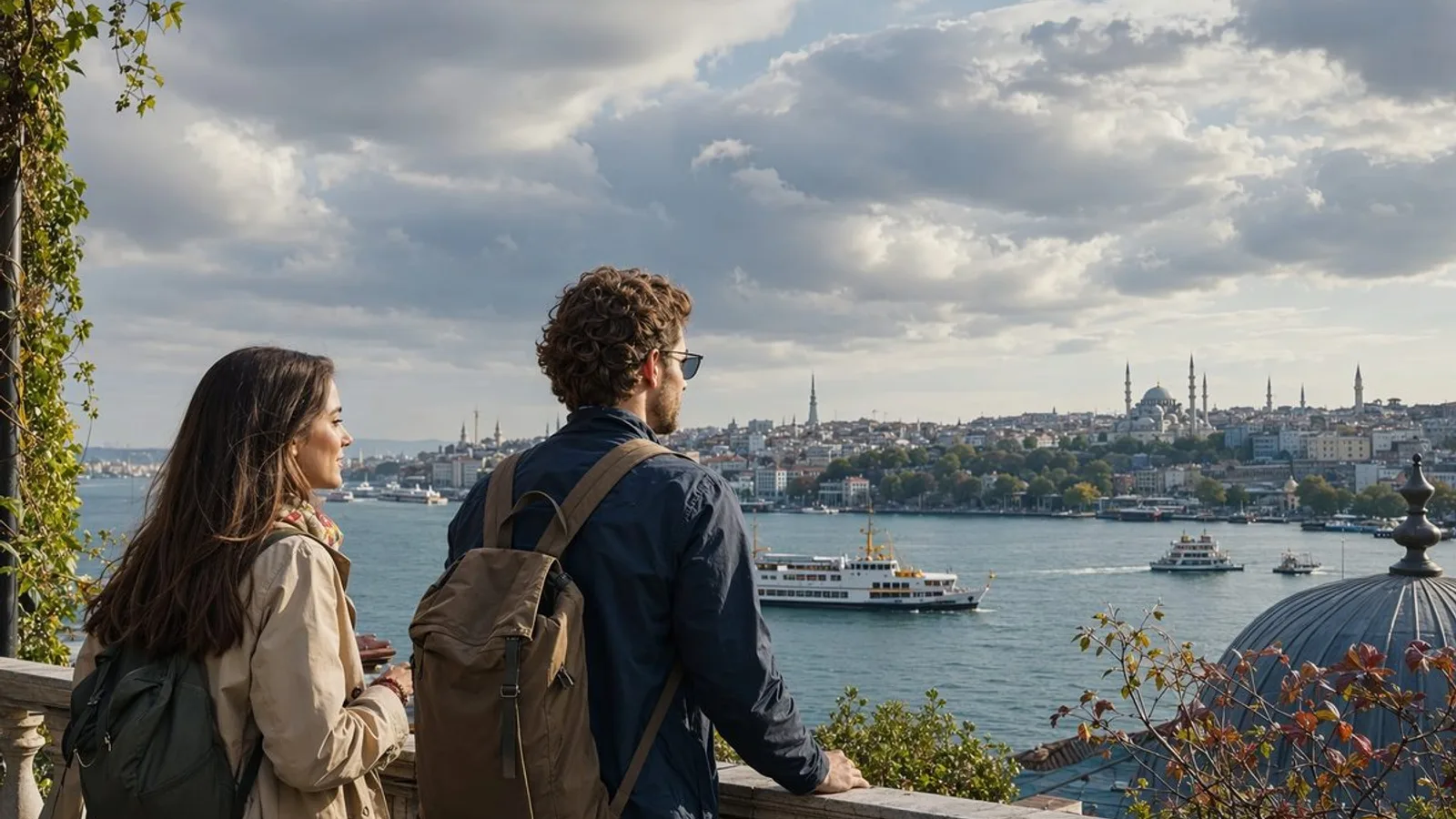
Yes—Istanbul in October 2026 is usually a good idea for most travelers because the city is often easier to walk, cooler than summer, and still well suited to full sightseeing days. Expect daytime highs around 20°C, roughly nine rainy days spread across the month, and daylight running about 07:00 to 18:50 at the start of October and 07:35 to 18:00 by the end of it. A sightseeing pass is worth considering only if you plan several paid sights in a short window: Istanbul PRIME Pass covers 81 included attractions and tours plus 20 more at member prices, runs from one to seven days, and starts at €249 — so it earns its price through the bigger paid experiences, not through mosque doors. If your trip is slower, more neighborhood-based, or focused on free mosques, ferries, and food stops, single tickets are often the better buy.
Takeaway
- October is often one of the safer months for first-time Istanbul sightseeing, especially if you want milder walking weather — daytime highs average about 20°C.
- Early October usually feels warmer and a bit more summer-like; late October is cooler, wetter, and dark by six.
- A pass can work for a dense 2- to 3-day paid-sights plan, but not for a relaxed trip.
- Keep weather and day order flexible until close to departure, and check Topkapı before you slot it in — it is closed Tuesday.
Istanbul is Türkiye’s largest city, spread across both Europe and Asia, with major historic sites, ferry routes, palace grounds, food districts, and waterfront neighborhoods. Sultanahmet is the historic core where many first-time visitors spend their first day because it holds several headline landmarks close together. The Bosphorus is the strait dividing the European and Asian sides of the city, and it matters to trip planning because ferries, cruises, wind, and waterfront weather can all change your comfort level. Pass value is the gap between what a sightseeing pass costs and what you would actually spend on the attractions and services you will really use.
Is October a Good Time to Visit Istanbul in 2026?
For most travelers, yes. October is often one of the best balance months for Istanbul: walking is usually easier than in peak summer, famous areas are still active, and daylight is still usable for full days out — close to twelve hours of it at the start of the month.
The main caution is that October is not a quiet off-season month. Big-name sites can still be busy, and the weather can shift across the month. Early October often feels milder-to-warm by day, with highs near 23°C in the first week. By the last week they are closer to 17°C, the rain is more frequent, and sunset has moved forward by nearly an hour.
If your goal is classic sightseeing with walking, ferries, and a few major interiors, October is usually a strong fit. If you want guaranteed beach-style warmth or totally empty landmarks, it is not the right expectation.
What the Weather Usually Feels Like
October weather in Istanbul is usually comfortable but mixed. You may get bright, pleasant walking conditions one day and cooler showers the next — around nine days of the month see rain, and they lean towards the second half.
Temperature, Rain, and Wind
Istanbul weather in October usually means mild afternoons averaging about 20°C, mornings and evenings nearer 14°C, and a higher chance of rain as the month goes on. Early October can still feel warm in direct sun — highs near 23°C are normal in the first week — while by the end of the month you are looking at about 17°C by day and low double figures after dark.
Before you fly, check the short-range forecast against the monthly pattern — about 20°C by day, about 14°C at night, around nine rainy days — so you can see whether your week is running warm or cold for the season. Wind matters too. Autumn is when the northeasterly poyraz starts running down the Bosphorus: it takes several degrees off an open ferry deck, and when it blows hard the smaller sea-bus routes are suspended for the day.
Dress in layers rather than packing for one fixed season. Indoor spaces, metros, and busy restaurants often feel much warmer than the street.
Daylight and Sunset Timing
Daylight is still good for sightseeing in October, but it shortens through the month. That matters more in late October, when a cruise or viewpoint planned too late in the day may feel darker and cooler than expected.
The numbers to plan around: on 1 October the sun is up about 07:00 and down about 18:50, and by 31 October it is roughly 07:35 to 18:00. One thing catches European visitors out — Türkiye does not change its clocks, so while much of Europe gains an hour in late October, Istanbul does not, and the evening light simply keeps shrinking. In early October a later Bosphorus ride still works; in late October put outdoor slots earlier, and expect more wind by evening.
If photos matter, use the best light for outdoor walks and viewpoints, then move indoor during the middle of the day.
Crowd Levels and What They Mean
October is often easier than peak summer, but it is not empty. You should expect a noticeable difference between headline sites and more open-ended neighborhood time.
Where Queues Still Build
Sultanahmet stays busy for most of the year because first-time visitors naturally cluster around the same top landmarks. Expect crowd pressure at Hagia Sophia, Topkapi Palace, Basilica Cistern, and the Blue Mosque. These are the hours that shape a Sultanahmet day: Hagia Sophia daily, 09:00 - 19:30, Topkapı Palace daily except Tuesday, 09:00 - 21:00, Basilica Cistern daily, 09:00 - 18:30. Last entry is always earlier than closing, so treat the closing time as the hour you should be leaving, not arriving.
Late morning is often the most congested period. A simple fix is to arrive at opening time or save a major paid sight for the last-entry window if that fits your style. Cruise traffic also drives Old City density. October is one of the busier months at Galataport, and a docked ship puts a wave of visitors into Sultanahmet from late morning to mid-afternoon — which is the strongest single argument for starting at opening time.
Where October Feels Easier
October often feels easier in places where the reward comes from walking, ferry riding, and staying outside without summer heat. That is where the month can be especially good.
Neighborhoods and waterfront areas such as Ortakoy, Kadikoy, and approaches around Galata Tower can still be lively, but the physical effort is often lower than in hotter months. Bosphorus ferry time is usually more comfortable too, though exposed decks can feel cool or windy depending on the day, and a strong northeasterly is the difference between a pleasant crossing and a cold one. Weekends remain busier in local café districts and shopping streets.
What to Pack for Istanbul in October
Pack for range, not for deep cold. A light jacket, breathable tops, one warmer layer, walking shoes with grip, and a compact umbrella or rain shell usually cover most October situations — you are dressing for roughly 20°C days, 14°C nights, and close to a one-in-three chance of rain on any given day.
For mosque visits, bring clothing that meets modest visitor expectations. In practice that means shoulders and knees covered for everyone, hair covered for women, and shoes off at the door. Scarves and wraps are handed out free at the busiest mosques if you arrive without one, so this is never a reason to skip a visit. Slip-on shoes save you time at every entrance, and it is worth timing visits away from the five daily prayers and Friday midday.
For Bosphorus ferries and open-air viewpoints, bring one extra layer beyond what feels necessary on land. Wind exposure can change comfort quickly, and the water is always several degrees colder than the street.
A small day bag is usually enough. Carry water, a power bank, tissues, and room for a layer you may remove by midday.
Attractions That Shine This Month
October works well for balanced itineraries. You can combine outdoor walks, scenic ferry time, and major interiors without the heat strain many travelers feel in summer.
Best Outdoor Spots in Mild Weather
Outdoor-friendly October picks often include Bosphorus cruises, palace grounds, ferry-linked neighborhoods, and waterfront walks. Dolmabahce Palace can be especially pleasant when the grounds are comfortable to explore, and dry days also suit places like Pierre Loti Hill and waterside stretches near Ortakoy.
If you care most about views and photos, use your best-weather day for outdoor routes. Beyond about five days out a forecast is a trend rather than a plan, so decide which day is the cruise day once you are already in the city.
Best Indoor Options for Rainy Hours
Rainy October hours are easier if you already have backups. Good indoor choices often include Basilica Cistern, palace interiors, selected museums, a hammam session, or slower browsing in the Grand Bazaar. A useful rainy-day pattern is one major indoor sight, lunch nearby, then either another interior or a short ferry if conditions improve.
Indoor backups also affect pass value. If weather pushes you toward paid interiors that are included in your pass, the pass math can improve.
Does a Sightseeing Pass Pay Off in October?
Sometimes, yes—but only with a realistic plan. A pass is usually worth it in October if you want several included paid sights in a short period, you can start early, and the inclusions match your actual list. Istanbul PRIME Pass runs from one to seven days and starts at €249, covering 81 attractions and tours outright plus 20 more at member prices. So the question is not whether the pass is cheap — it is whether you will use enough of the expensive inclusions to clear that number.
It is usually not worth it if your trip is slower, more flexible, or centered on free sights and long neighborhood stops. October makes both styles possible, so the right choice depends on your pace more than the month itself.
Quick Pass-Value Check
| Scenario | Pass Usually Makes Sense? | Why |
|---|---|---|
| First trip, 2-3 dense sightseeing days | Often yes | Several paid sights may fit into a short window |
| You want Topkapi, Basilica Cistern, a cruise, and other included highlights | Often yes | Those sit among the 81 included entries, so the bundle can beat separate tickets |
| Slow trip with many mosques, ferries, cafés, and free viewpoints | Often no | Mosques and ferries are free or cheap anyway, so you may never reach the €249 floor |
| Weather-sensitive trip with loose plans | Often no | Rain, fatigue, or a closure day can quietly eat a whole day of it |
| You dislike reservations and timed planning | Maybe not | Guided and hosted experiences run at set times and need booking ahead |
For the full break-even working, see is the Istanbul sightseeing pass worth it.
When the Pass Is Good Value
A pass can make sense for first-time visitors who want a packed sightseeing plan. If you aim to visit Topkapi Palace, Basilica Cistern, a Bosphorus cruise, and one or two other paid highlights over a compact stay, the combined value may beat separate tickets.
It also suits travelers who prefer one upfront purchase and a more structured day-by-day approach. This works best if you can group sights by area and avoid cross-city zigzags.
When Buying Single Tickets Makes More Sense
Single tickets usually make more sense if your trip style is relaxed. If your October plan includes mosque visits, neighborhood walks, long meals, ferry hops, viewpoints, and only one or two major paid entries, a pass often adds cost without adding much value: the mosques are free, the ferries cost small change, and neither does anything to earn back €249.
Single tickets are also safer if:
- you want freedom to change plans based on sun, rain, or energy levels
- your paid sights are spread across more days than the pass window you would actually buy
- some attractions on your shortlist sit among the 20 add-ons rather than the included list
- fixed booking times or a closure day may disrupt the plan
A good rule: if the pass only barely beats single tickets on paper, buy single tickets. The flexibility is often worth more than a small theoretical saving.
Sample October Day Plans
You do not need a rigid itinerary, but these sample structures show how October conditions affect pacing.
Plan A: Classic First Day in Sultanahmet
- Start at opening with one major paid sight in Sultanahmet — Hagia Sophia runs daily, 09:00 - 19:30, Topkapı daily except Tuesday, 09:00 - 21:00, the Cistern daily, 09:00 - 18:30
- Visit a mosque after that, with shoulders and knees covered and a scarf to hand
- Have lunch nearby
- Keep one indoor stop for mid-afternoon
- End with a Bosphorus ferry or viewpoint if skies stay clear, allowing for sunset between about 18:50 early in the month and 18:00 at the end of it
Plan B: Mixed-Weather October Day
- Begin with an indoor landmark near opening time
- Move to a covered lunch
- Add the Grand Bazaar or a museum while showers pass
- Take a short commuter ferry later only if the rain clears and the wind drops
Plan C: Pass-Maximizing Day
- Group included attractions by neighborhood
- Start at opening and keep the route tight
- Use lunch near your second sight, not across town
- Avoid spending the middle of the day on transport
- Book the guided and hosted experiences ahead; open-entry venues you can simply walk into
This is the type of day where a pass can work well. It loses value fast if you move slowly or leave large gaps between paid entries.
Plan D: Late-October Comfort Day
- Prioritize outdoor views earlier in the day, because the light goes by six
- Keep afternoon choices more flexible in case wind or rain builds
- Finish with dinner in a neighborhood rather than forcing one more landmark
This pattern is especially useful in late October, when daylight is shorter and conditions can turn cooler faster.
Final Planning Checklist
Use this checklist before you finalize your trip:
- Pack for about 20°C by day and 14°C at night, plus one more layer than you think you need for the ferries.
- Plan around daylight: roughly 07:00–18:50 on 1 October, 07:35–18:00 on 31 October. Türkiye does not change its clocks, so late October gives you no hour back.
- Check the wind before any ferry or cruise day. A strong poyraz makes an open deck genuinely cold and can suspend the smaller sea-bus routes.
- Note the hours of the sights that will shape your day: Hagia Sophia daily, 09:00 - 19:30, Topkapı Palace daily except Tuesday, 09:00 - 21:00, Basilica Cistern daily, 09:00 - 18:30. Last entry is earlier than closing at all three.
- Build the day order around Topkapı's closed day. It is the single most common way a Sultanahmet plan falls apart.
- If you are here on 29 October, expect Republic Day: a national holiday, with parades and road closures around the centre and a Thursday that does not behave like one.
- Start at opening on any Sultanahmet day. October is busy at Galataport, and cruise arrivals fill the Old City from late morning.
- Sort mosque clothing before you go: shoulders and knees covered, hair covered for women, shoes off. Scarves are free at the door if you forget.
- Compare the 81 included attractions against your real shortlist, not against the full list.
- Compare €249 and up against what your paid sights would cost separately, counting only the ones you will genuinely reach.
- Book the guided and hosted experiences ahead; open-entry venues do not need it.
- Treat any forecast beyond five days as a trend, and pick your cruise day once you are in the city.
- Arrange airport transfers early. The ride in from either airport is the longest single leg of the trip, and it is the one most often underestimated.
If you want the shortest verdict: October is usually a smart time to visit Istanbul for classic sightseeing, especially if you want milder walking weather and flexible day plans. A sightseeing pass can be good value for a dense, paid-attractions itinerary, but single tickets are often better for slower, more flexible trips — the honest test is whether your shortlist reaches €249 in gate prices before you run out of energy.